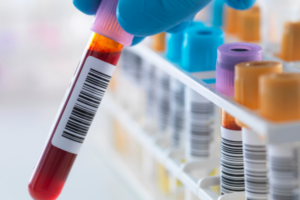
The study will utilise the Australian ME/CFS biobank for metabolomics analyses and other assays to identify potential biomarkers for Myalgic Encephalomyelitis/Chronic Fatigue Syndrome, contributing to a comprehensive dataset for large-scale analysis.
INVESTIGATORS
Sarah Annesley, PhD
Paul Fisher, PhD
Brett Lidbury, PhD
Alice Richardson, PhD
Benjamin Heng, PhD
Elisha Josev, PhD
Paul Gooley, PhD
Christopher Armstrong, PhD
Updates and Potential
Significant recruitment delays occurred during COVID-19.
Metabolite and genotype data is being collected.
A manuscript is in preparation.
STUDY HYPOTHESIS AND DESCRIPTION
To enhance the research capabilities within the Australian scientific community concerning Myalgic Encephalomyelitis/Chronic Fatigue Syndrome (ME/CFS) and Long COVID, we played a role in establishing an Australian biobank for ME/CFS managed by Emerge Australia. The establishment of this biobank and registry included conducting a biomarker study utilising patient samples. Although the progress of the biobank was hindered by the pandemic, we have now successfully collected hundreds of samples from willing participants over the past few years.
As part of this initiative, we are currently performing metabolomics analyses on all samples stored in the biobank. This metabolomics data will be integrated with findings from other assays conducted by our collaborators. We plan to disseminate research papers detailing individual projects and subsequently compile a comprehensive dataset for large-scale analysis aimed at identifying potential biomarkers.
OBJECTIVES
Pattern metabolites corresponding to patient symptoms and co-morbid conditions.
Validate markers from previous studies.
Search for new potential markers in this large Australian dataset.
Cluster patients based on similar biology-symptom.
Combine data with collaborator assays on same patients.